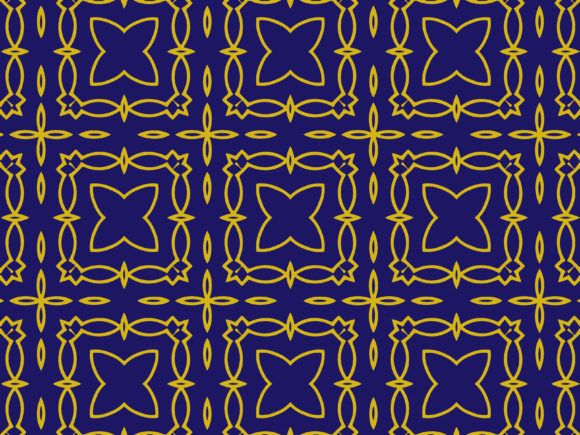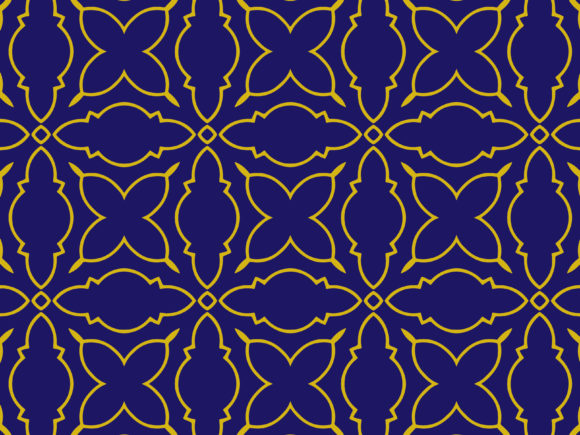
Pattern Islamic Texture Illustration: A Timeless Blend of Art and Design
The world of design is rich with cultural expressions, and one that stands out for its elegance and complexity is Pattern Islamic Texture Illustration. This unique form of artistic expression combines intricate geometric patterns, ornate motifs, and symmetrical designs rooted in Islamic art. Whether you're looking to enhance your home decor, create a digital background, or explore the beauty of traditional Islamic culture, these illustrations offer endless possibilities.
The Essence of Islamic Pattern Design
Pattern Islamic Texture Illustration draws inspiration from centuries-old traditions found in mosques, palaces, and manuscripts across the Middle East, North Africa, and South Asia. These designs are characterized by their use of repeating shapes, interlacing lines, and elaborate symmetry. The result is a visual language that conveys both spiritual significance and aesthetic appeal.
- Geometric Precision: Many Islamic patterns rely on precise mathematical calculations to create seamless, repeating motifs.
- Ornamental Detail: From floral arabesques to stylized calligraphy, these illustrations often feature intricate detailing that captivates the eye.
- Cultural Symbolism: Each element within the pattern carries meaning, reflecting values such as unity, infinity, and divine order.
Applications in Modern Contexts
While deeply rooted in tradition, Pattern Islamic Texture Illustration has found new life in contemporary settings. Here are some popular uses:
- Wallpaper and Decor: These designs make excellent choices for backgrounds, wallpaper, and decoration. Their repetitive nature ensures they look seamless when tiled, making them ideal for large spaces like living rooms or offices.
- Digital Media: Web designers and graphic artists often use these illustrations as templates or graphic elements to add an elegant touch to websites, apps, and social media content.
- Fashion and Textiles: The texture and mosaic qualities of these patterns can be translated into fabric prints, adding a cultural flair to clothing and accessories.
- Interior Design: Tile work, backdrop designs, and oriental accents can all benefit from the use of Islamic pattern illustration.
Who Benefits from Islamic Pattern Illustration?
The versatility of Pattern Islamic Texture Illustration makes it suitable for a wide range of individuals and professionals:
- Homeowners and Interior Designers: Looking for decor that adds cultural depth and visual interest to their living spaces.
- Graphic Designers: Seeking abstract and geometric design elements for branding, packaging, or digital projects.
- Cultural Enthusiasts: Interested in preserving and showcasing eastern and asian culture through modern mediums.
- Educators and Historians: Using these illustrations as teaching tools to explore the history and religion of Islamic art.
Strengths and Considerations
While Pattern Islamic Texture Illustration offers many benefits, there are also a few factors to consider when using it in your projects:
- Strengths:
- Timeless Appeal: These designs have stood the test of time and continue to inspire modern creativity.
- Versatility: They can be adapted to various formats, including print, digital, and 3D applications.
- Cultural Depth: Incorporating these patterns can add a meaningful layer to any design, especially during events like Ramadan or Eid.
- Considerations:
- Complexity: Some patterns may require careful planning to ensure they repeat seamlessly without distortion.
- Color Choice: While traditionally muted, these patterns can be adapted to bold color schemes depending on the context.
- Copyright: Be mindful of licensing when using digital versions of these illustrations, especially if they originate from historical sources.
Real-World Examples and Scenarios
To better understand how Pattern Islamic Texture Illustration can be applied, let’s look at a few practical scenarios:
- Home Decor: A homeowner might choose an Islamic mosaic wallpaper to create an elegant backdrop for a prayer room or living area. The symmetry and ornate details add a sense of calm and sophistication.
- Business Branding: A boutique hotel could incorporate Arabian patterns into its logo or marketing materials to reflect its Moroccan or Eastern theme.
- Event Design: During Ramadan or Eid, event planners might use Islamic motif decorations to create a festive atmosphere that honors the occasion.
How to Choose the Right Pattern for Your Needs
Selecting the right Pattern Islamic Texture Illustration depends on several factors:
- Purpose: Are you designing for a specific space, product, or event? This will influence the style and scale of the pattern.
- Style Preference: Do you prefer vintage or modern interpretations? Some illustrations maintain a classic oriental feel, while others take on a more abstract or minimalist approach.
- Compatibility: Ensure the pattern complements the other design elements in your project, whether it's color, texture, or typography.
- Licensing: If using digital assets, check for proper license terms to avoid copyright issues.
Conclusion: Embracing the Beauty of Islamic Patterns
Pattern Islamic Texture Illustration is more than just a decorative element—it's a celebration of history, culture, and artistic excellence. Whether you're an artist, designer, or simply someone who appreciates beautiful patterns, these illustrations offer a unique way to express creativity and respect for a rich heritage. By understanding their origins, characteristics, and potential applications, you can make informed decisions about how to incorporate them into your own projects. So next time you're searching for a seamless background, tile design, or graphic element, consider the timeless charm of Islamic pattern illustration.