Decorative Geometry - 3D Lettering and High-Resolution Geometric Art for Design Projects
The Power of Decorative Geometry in Modern Design
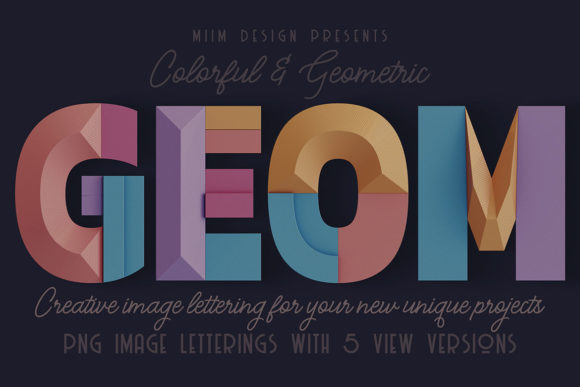
Decorative geometry has been making waves in the design world, especially with the rise of 3D lettering that blends mathematical precision with artistic flair. This unique form of visual expression is now more accessible than ever, thanks to high-resolution 3D geometric art lettering renders that come in sizes like 3000×3000 pixels. Even though the letter size is slightly smaller, the clarity and detail remain outstanding, making them perfect for a wide range of creative projects.
Whether you're working on digital banners, print posters, or website headers, the versatility of these designs can elevate your project from good to exceptional. The ability to use transparent PNG lettering ensures seamless integration into various backgrounds without compromising quality.
Why Choose Decorative Geometry - 3D Lettering?
Decorative geometry - 3D lettering isn't just about aesthetics; it's also about functionality. These designs are crafted with precision, ensuring that each curve and angle serves a purpose. This makes them ideal for branding elements where clarity and impact are crucial.
One of the standout features of this type of lettering is the inclusion of 5 views in each package. This gives designers the flexibility to choose the best perspective for their specific needs, whether it’s a side profile, front view, or something more abstract. Additionally, the inclusion of 3 extra backgrounds allows for easy customization and experimentation without needing external assets.
For those who work in advertising, the ability to create eye-catching headers and promotional materials is essential. With hi-res realistic 3D geometric art lettering, you can craft visuals that stand out in a crowded marketplace, drawing attention and conveying messages effectively.
Applications Across Industries
The applications of Decorative Geometry - 3D Lettering span across multiple industries. In the world of graphic design, these assets are invaluable for creating logos, headlines, and other visual elements that need to be both memorable and impactful. Their high resolution ensures they look sharp on everything from mobile screens to large billboards.
In the realm of web design, using 3D geometric art lettering can help break up text-heavy content and add a dynamic element to a site’s layout. They can be used as headers, section dividers, or even as part of interactive elements, enhancing user engagement.
Print media also benefits greatly from these designs. Whether it's for packaging, magazine covers, or event posters, the transparent PNG lettering format allows for easy layering over different textures and colors, providing endless creative possibilities.
Design Considerations and Best Practices
While the appeal of Decorative Geometry - 3D Lettering is clear, there are several factors to consider when incorporating them into your projects. First, understanding the scale of the letters is important. Although the size is slightly smaller than the maximum resolution, it still provides enough detail for most uses. However, if you're planning to use them in very large formats, you may need to check the scalability of the design.
Another consideration is how the 3D geometric art lettering interacts with the background. Since the package includes 3 extra backgrounds, experimenting with different combinations can lead to unique visual effects. It’s also worth noting that while the transparent PNG format offers flexibility, it may not be suitable for all printing processes. Always test prints before finalizing any project.
When selecting between the various views provided, think about the context in which the lettering will be used. A more angular and abstract view might be better suited for a tech brand, while a smoother, more rounded style could work well for lifestyle or wellness-related content.
Getting Started with Decorative Geometry - 3D Lettering
If you're new to using Decorative Geometry - 3D Lettering, start by exploring the different views and backgrounds included in the package. Use them in simple projects first, such as social media posts or blog headers, to get a feel for how they perform in different contexts.
As you become more comfortable, try integrating these designs into more complex layouts. For example, combining them with other geometric shapes or patterns can create a cohesive and visually striking composition. Remember, the key is to balance the boldness of the lettering with the rest of the design elements.
Don’t forget to experiment with color. While the transparent PNG lettering allows for easy customization, playing with color gradients or overlays can add depth and dimension to your designs. This is especially effective when used in digital formats where interactivity is possible.
Conclusion
Decorative Geometry - 3D Lettering represents a powerful tool in the modern designer's arsenal. With its combination of high-resolution 3D geometric art lettering, multiple views, and additional backgrounds, it offers a versatile solution for a wide range of design challenges. Whether you're working on a small-scale project or a large-scale campaign, these assets can help you create visuals that are both functional and aesthetically pleasing.
By understanding the strengths and limitations of Decorative Geometry - 3D Lettering, you can make informed decisions that enhance your creative workflow and deliver results that stand out in today's competitive design landscape.