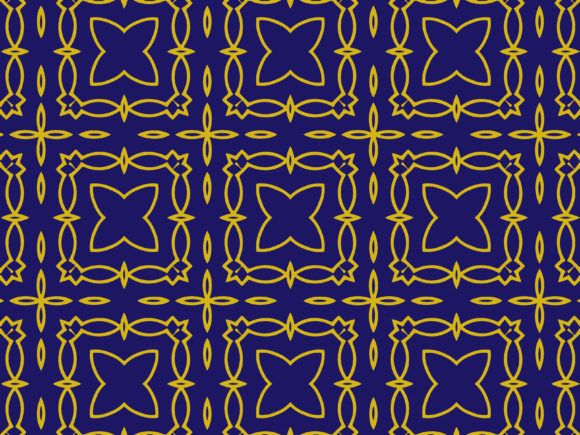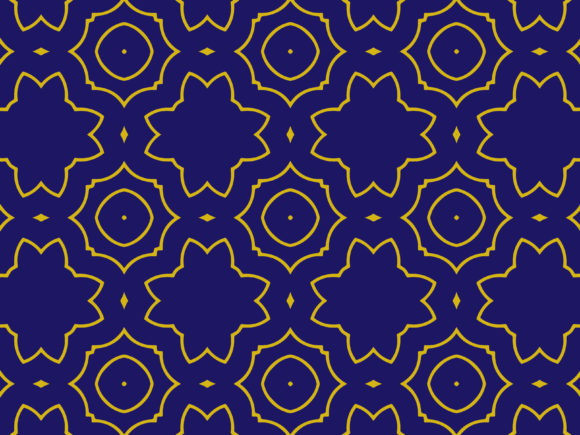
Pattern Islamic Illustration Decor: A Timeless Blend of Art, Culture, and Modern Design
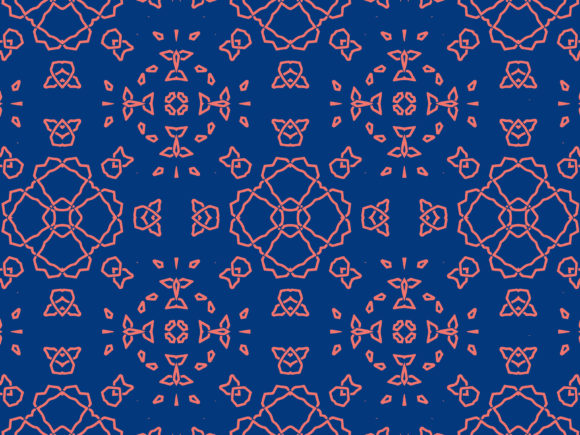
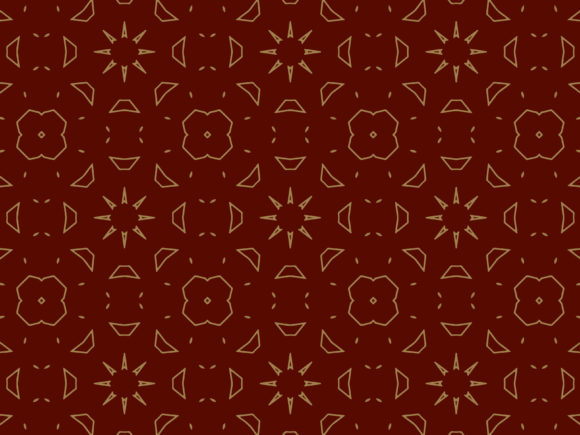
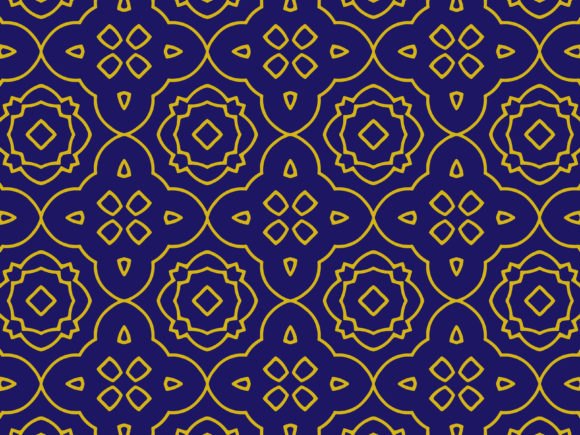
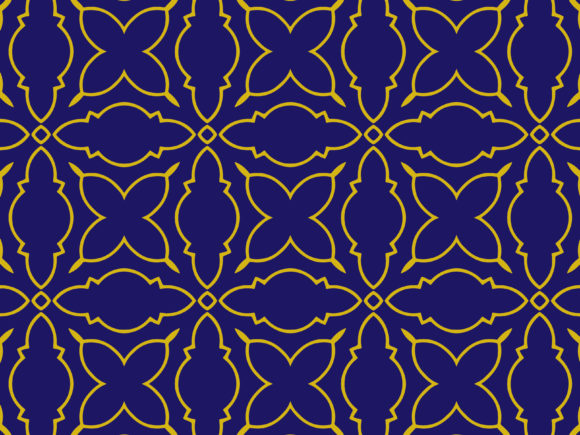
Pattern Islamic Illustration Decor has emerged as a compelling fusion of ancient artistic traditions and contemporary design sensibilities. This unique style draws from centuries-old Islamic art, characterized by intricate geometric patterns, flowing arabesques, and symmetrical motifs. Whether used as a background, wallpaper, or decorative element, it offers a visually rich and culturally resonant aesthetic that appeals to a wide range of audiences—from interior designers to digital creators.
The resurgence of interest in Pattern Islamic Illustration Decor is not merely a trend but a reflection of evolving tastes and the desire for meaningful, authentic design elements. As people seek spaces that reflect their heritage or personal aesthetics, this form of decoration provides an elegant solution that blends tradition with modernity.
The Evolution of Islamic Patterns in Contemporary Design
The roots of Islamic pattern design can be traced back to the early Islamic Golden Age, where artisans developed complex geometric and floral motifs that adorned mosques, palaces, and everyday objects. These designs were not only decorative but also symbolic, often representing concepts like infinity, unity, and divine order. Today, these same principles are being reimagined through digital tools and modern applications.
With the rise of digital illustration and graphic design software, creating and customizing Islamic patterns has become more accessible than ever. Artists and designers now use vector-based formats to produce seamless, repeatable patterns suitable for backgrounds, wallpapers, and even textiles. This adaptability makes Pattern Islamic Illustration Decor a versatile choice for both traditional and modern settings.
Moreover, the global appreciation for multicultural aesthetics has contributed to the growing popularity of this style. Whether in home decor, branding, or digital media, Islamic patterns are increasingly being recognized for their elegance and cultural significance.
Why Pattern Islamic Illustration Decor Is Relevant Today
In today's fast-paced world, people are seeking ways to connect with their roots or express their identity through design. Pattern Islamic Illustration Decor offers a way to do just that. It allows individuals to incorporate elements of Islamic culture into their living spaces, websites, or creative projects without compromising on style or functionality.
For professionals such as interior designers, architects, and graphic artists, the demand for culturally inspired yet contemporary designs has never been higher. Pattern Islamic Illustration Decor provides a unique opportunity to meet this demand while offering clients something that feels both familiar and fresh.
Additionally, the rise of remote work and digital lifestyles has led to an increased need for aesthetically pleasing virtual environments. Whether it's a Zoom background, a website header, or a social media profile picture, incorporating Islamic patterns can add a touch of sophistication and cultural depth to any digital space.
Practical Applications of Pattern Islamic Illustration Decor
Pattern Islamic Illustration Decor is incredibly versatile and can be applied across various domains:
- Home Decor: From wall murals to furniture upholstery, Islamic patterns offer a timeless appeal that enhances any interior space.
- Wallpaper and Backgrounds: Seamless and repeatable Islamic patterns make excellent choices for digital and physical backgrounds, adding visual interest without overwhelming the viewer.
- Graphic Design: Incorporating Islamic motifs into logos, packaging, and marketing materials can create a strong visual identity rooted in cultural authenticity.
- Digital Media: Islamic patterns are widely used in app interfaces, website designs, and social media content to evoke a sense of elegance and tradition.
These practical applications demonstrate how Pattern Islamic Illustration Decor is not just an aesthetic choice but also a functional one. Its ability to adapt to different mediums and contexts makes it a valuable asset for both personal and professional use.
Current Trends and Market Preferences
The current design landscape is increasingly influenced by a desire for authenticity and cultural storytelling. In this context, Pattern Islamic Illustration Decor stands out as a powerful tool for expressing identity and heritage. It aligns well with the broader trend of "slow design," which emphasizes quality, craftsmanship, and meaningful symbolism over mass-produced, generic aesthetics.
Furthermore, the growing interest in sustainable and ethical design practices has led many to explore traditional techniques and natural materials. Islamic patterns, often created using hand-drawn methods or eco-friendly inks, resonate with this movement and offer an alternative to industrialized design solutions.
As businesses and individuals alike look to differentiate themselves in a crowded marketplace, the use of culturally rich design elements like Islamic patterns can provide a competitive edge. It allows brands to tell a story, connect with specific audiences, and stand out in a sea of homogenized visuals.
How to Incorporate Pattern Islamic Illustration Decor Into Your Projects
If you're looking to integrate Pattern Islamic Illustration Decor into your work or personal space, here are a few tips to get started:
- Research Authentic Styles: Explore traditional Islamic art forms such as Moroccan mosaics, Arabic calligraphy, and Persian tilework to understand the nuances of the style.
- Use Digital Tools: Vector-based design software like Adobe Illustrator or free online tools can help you create and customize Islamic patterns easily.
- Experiment with Color: While traditional Islamic art often features muted tones, don't be afraid to experiment with bold colors to suit modern tastes.
- Seek Inspiration: Look at contemporary artists and designers who have successfully incorporated Islamic patterns into their work for ideas and inspiration.
By following these steps, you can create designs that are both visually appealing and culturally significant, making Pattern Islamic Illustration Decor a valuable addition to any project.
The Future of Pattern Islamic Illustration Decor
As we move forward, the role of Pattern Islamic Illustration Decor is likely to expand beyond traditional boundaries. With advancements in technology, such as AI-generated art and 3D printing, new possibilities for creating and applying Islamic patterns will continue to emerge.
At the same time, the increasing emphasis on inclusivity and diversity in design means that Islamic patterns will be embraced by a wider audience than ever before. Whether used in religious contexts, secular spaces, or digital platforms, they offer a unique blend of beauty, meaning, and cultural richness.
For those interested in exploring this field further, there are numerous resources available, including online courses, design communities, and cultural institutions dedicated to preserving and promoting Islamic art. By engaging with these resources, creators and enthusiasts can deepen their understanding and appreciation of Pattern Islamic Illustration Decor.
In conclusion, Pattern Islamic Illustration Decor represents more than just a design style—it is a celebration of history, culture, and creativity. Its relevance in today's world is a testament to the enduring power of art to inspire, connect, and transform spaces, both physical and digital.