Islamic Pattern Background Illustration
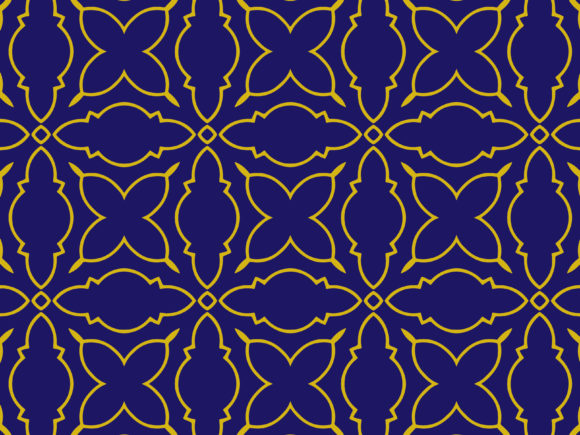
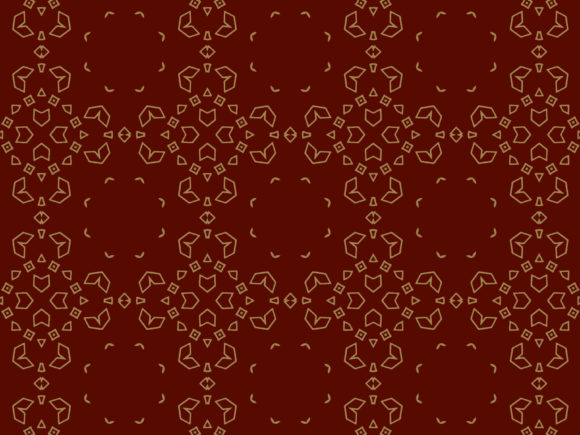
Islamic pattern background illustration is a form of artistic expression rooted in centuries-old traditions, blending geometric precision with intricate symmetry. These designs are not only visually captivating but also deeply symbolic, reflecting the cultural and spiritual essence of Islamic art. Whether used as wallpaper, decor, or part of graphic design projects, these patterns offer a timeless elegance that resonates across diverse audiences.
The Beauty of Islamic Patterns
Islamic patterns are characterized by their use of geometric shapes, interlacing lines, and repetitive motifs. These elements create seamless, symmetrical designs that can be repeated infinitely without losing their visual appeal. The result is an artwork that feels both ancient and modern, making it suitable for a wide range of applications.
For designers and artists, these illustrations serve as a rich source of inspiration. They can be adapted into digital formats, printed on textiles, or used as decorative elements in home interiors. The versatility of Islamic patterns allows them to be customized to suit different styles, from traditional to contemporary.
Why Different Audiences Care About Islamic Background Illustrations
While the appeal of Islamic pattern backgrounds may seem universal, different groups of people find value in them for unique reasons. Understanding these perspectives can help you determine how best to use or appreciate this type of illustration.
Beginners and Hobbyists
For beginners, Islamic pattern illustrations offer an accessible entry point into the world of design. The structured nature of these patterns makes them easier to replicate and modify compared to more abstract forms of art. Many online tutorials and templates provide step-by-step guidance, allowing newcomers to experiment with color, scale, and composition.
As a hobbyist, you might enjoy creating your own versions of these patterns using simple tools like vector software or even hand-drawn sketches. This creative process can be both relaxing and rewarding, especially if you're interested in learning about cultural art forms.
Professionals and Creators
Designers, illustrators, and graphic artists often use Islamic patterns to add depth and authenticity to their work. These patterns can be incorporated into logos, packaging, website backgrounds, and more. Their inherent symmetry and complexity make them ideal for high-end design projects where attention to detail is crucial.
One practical example is using Islamic patterns as a backdrop for event invitations or marketing materials. The intricate designs can convey a sense of sophistication and cultural richness, appealing to clients who want to stand out in a crowded market.
Business Owners and Entrepreneurs
Entrepreneurs looking to build a brand with a unique identity might find Islamic pattern illustrations particularly useful. These designs can be used in branding materials, store décor, or product packaging to communicate values such as tradition, craftsmanship, and elegance.
Consider a boutique selling handmade goods; incorporating Islamic patterns into their branding could attract customers who appreciate artisanal, culturally inspired products. The visual appeal of these illustrations can enhance the overall aesthetic of a business while reinforcing its cultural narrative.
Educators and Bloggers
Teachers and content creators often use Islamic pattern illustrations as educational tools. These visuals can be used to teach students about the history of Islamic art, the significance of geometry in design, or the role of symmetry in various cultures.
Bloggers and educators can also use these illustrations to enrich their content, whether they're writing about interior design, cultural heritage, or religious symbolism. Including images of Islamic patterns can make articles more engaging and informative.
Practical Uses and Benefits
Whether you're looking to decorate your home, create digital art, or explore new design ideas, Islamic pattern backgrounds offer numerous benefits. Here are some practical ways to incorporate them into your life or work:
- Home Decor: Use Islamic pattern wallpapers or tapestries to add a touch of elegance to your living space. These designs can transform any room into a sanctuary of beauty and culture.
- Graphic Design: Incorporate Islamic patterns into your graphic projects for a unique, eye-catching look. These designs are perfect for logos, posters, and social media graphics.
- Cultural Events: During Ramadan or Eid, Islamic pattern illustrations can be used to create celebratory decorations, invitations, or digital banners that reflect the spirit of the occasion.
- Artistic Inspiration: Artists can draw from these patterns to develop their own style, blending traditional elements with modern techniques.
One of the key advantages of Islamic pattern illustrations is their adaptability. They can be scaled, colored, and modified to fit various contexts and preferences. This flexibility makes them a valuable resource for anyone looking to explore the intersection of art and culture.
Choosing the Right Pattern for Your Needs
When selecting an Islamic pattern illustration, consider factors such as the intended use, the level of detail required, and the overall aesthetic you want to achieve. For example, a minimalist pattern may be more suitable for a modern interior, while a more ornate design could complement a traditional setting.
If you're unsure where to start, look for resources that provide a variety of Islamic pattern options. Many websites and design platforms offer downloadable templates that can be customized to suit your specific needs. Experimenting with different colors and layouts can help you discover what works best for your project.
Ultimately, Islamic pattern background illustrations are more than just decorative elements—they are a celebration of art, culture, and creativity. Whether you're a beginner exploring new design ideas or a professional seeking to elevate your work, these illustrations offer endless possibilities for expression and innovation.