Pattern Wallpaper Islamic Illustration: A Fusion of Tradition and Modern Design
In an era where design trends are increasingly influenced by cultural heritage and global aesthetics, Pattern Wallpaper Islamic Illustration has emerged as a powerful tool for both personal and commercial use. This unique blend of traditional Islamic art with modern graphic design techniques offers a versatile solution for background, decor, or wallpaper applications. Whether you're an entrepreneur looking to enhance your brand's visual identity or a homeowner seeking to infuse your living space with elegance, the appeal of these intricate patterns is undeniable.
The Essence of Pattern Wallpaper Islamic Illustration
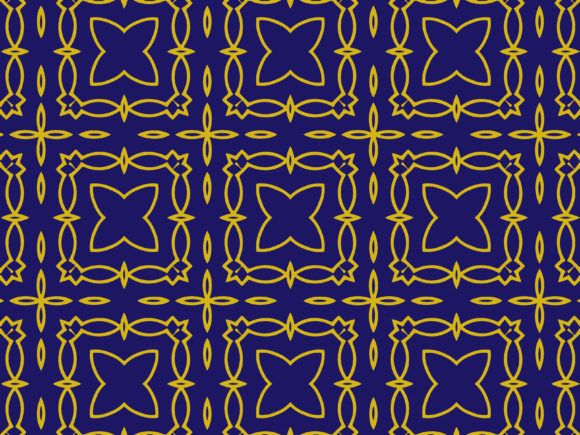
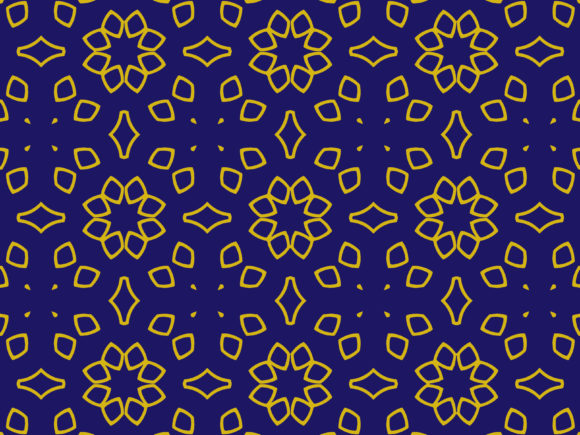
Pattern Wallpaper Islamic Illustration refers to a type of decorative design rooted in Islamic artistic traditions. These illustrations often feature geometric shapes, floral motifs, arabesques, and calligraphy—elements that have been central to Islamic art for centuries. What sets these patterns apart is their seamless repetition, making them ideal for use as backgrounds, wall coverings, or digital graphics.
At its core, this form of design emphasizes symmetry, balance, and complexity. The intricate interplay of lines and forms not only creates visually stunning compositions but also reflects the deep spiritual and cultural significance of Islamic art. From Moroccan mosaics to Arabian tiles, these designs carry a rich historical legacy that continues to inspire contemporary creators.
Why Pattern Wallpaper Islamic Illustration Is Gaining Attention
The growing interest in Pattern Wallpaper Islamic Illustration can be attributed to several factors. One of the most significant is the increasing appreciation for cultural authenticity in design. As consumers become more conscious of the origins and meanings behind the visuals they surround themselves with, there is a rising demand for artwork that tells a story and honors tradition.
Additionally, the trend toward minimalist yet ornate aesthetics has created a perfect niche for these intricate patterns. They offer a way to add depth and sophistication without overwhelming the viewer. In interior design, for example, using Islamic pattern wallpaper can transform a plain wall into a statement piece that reflects both personal taste and cultural appreciation.
Moreover, the rise of digital platforms and e-commerce has made it easier than ever for individuals and businesses to access and incorporate these designs into their projects. Whether it’s for a website backdrop, a product packaging design, or a home décor element, the versatility of Islamic pattern illustration ensures that it remains relevant across various industries.
Practical Applications and Industry Relevance
The applications of Pattern Wallpaper Islamic Illustration extend far beyond home décor. In the world of business and marketing, these designs can be used to create a distinctive brand identity that resonates with a diverse audience. For instance, a company targeting the Muslim market might use Islamic geometric patterns in its branding to convey respect and inclusivity.
In the realm of technology, the use of seamless Islamic patterns in UI/UX design is becoming increasingly popular. These patterns provide a subtle yet elegant background that enhances user experience without distracting from the content. Similarly, in the fashion industry, designers are incorporating Arabic motifs into fabric prints, accessories, and even digital wearables.
For freelancers and entrepreneurs, offering Islamic pattern templates or customizable Islamic ornament vector files can be a lucrative niche. With the right tools and knowledge, creators can generate high-quality, repeatable designs that cater to a wide range of clients—from interior designers to event planners.
How to Incorporate Islamic Patterns into Your Projects
If you're new to working with Islamic pattern wallpaper, here are some practical tips to get started:
- Research Traditional Motifs: Begin by studying classic Islamic designs such as those found in mosques, textiles, and ceramics. Understanding the symbolism and structure of these patterns will help you create authentic designs.
- Use Vector Software: Tools like Adobe Illustrator or free alternatives like Inkscape allow you to create scalable, high-resolution Islamic geometric patterns that can be easily adapted for different uses.
- Explore Digital Libraries: There are numerous online resources offering Islamic pattern vectors and seamless Islamic tile designs. These can serve as inspiration or be modified to suit specific needs.
- Experiment with Color: While many traditional Islamic designs are monochromatic, modern interpretations often incorporate vibrant colors. Experimenting with color schemes can make your designs stand out and appeal to a broader audience.
The Future of Islamic Pattern Design
As we move further into the digital age, the role of Pattern Wallpaper Islamic Illustration is likely to expand even further. Advances in AI and machine learning are already enabling designers to generate complex, culturally inspired patterns with greater ease. This opens up new possibilities for customization, scalability, and innovation in the field of Islamic design.
Furthermore, the global interest in Middle Eastern culture, particularly during events like Ramadan and Eid, has led to a surge in demand for Islamic-themed décor. Businesses that can offer elegant Islamic wall art or oriental pattern templates are well-positioned to capitalize on this growing trend.
With its rich history, aesthetic appeal, and adaptability, Pattern Wallpaper Islamic Illustration is more than just a design trend—it’s a bridge between the past and the future. Whether you're a professional designer, a marketer, or simply someone who appreciates beautiful art, exploring this fascinating world of Islamic patterns can open up new creative and commercial opportunities.
By embracing the beauty and complexity of Islamic pattern illustration, we not only celebrate a rich cultural heritage but also contribute to a more inclusive and visually diverse world.