Decorative Panel: A Versatile Solution for Creative Design and Interior Décor
Decorative panels have become a popular choice for those looking to add visual interest and personality to their living spaces. Whether you're designing a room divider, crafting wall art, or creating a unique fence panel, decorative panels offer an elegant and customizable solution. With the availability of files for CNC laser cut, such as DXF, SVG, EPS, and PNG formats, these panels are more accessible than ever for both beginners and professionals. This article explores what decorative panels are, why they're valuable, and how to avoid common mistakes when choosing and using them.
Understanding Decorative Panels and Their Uses
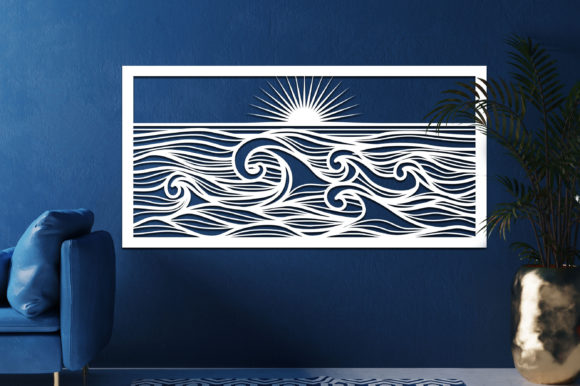
A decorative panel is a design element used to enhance the aesthetic appeal of walls, fences, screens, and other surfaces. These panels can be crafted from various materials, including wood, metal, or acrylic, and often feature intricate patterns, textures, or motifs. One popular theme is the sea landscape with waves and sun, which adds a calming and natural feel to any space.
Decorative panels serve multiple purposes, from acting as room dividers to functioning as wall art. They are ideal for interior décor, but their versatility extends to outdoor applications like fence panels or garden screens. The ability to customize designs through CNC laser cutting makes them a favorite among creative individuals and businesses alike.
Why Choose Decorative Panels?
- Customization: With files available for laser cutting, you can create one-of-a-kind designs that match your personal style or brand identity.
- Functionality: Panels can serve practical purposes, such as dividing spaces in open-plan homes or adding privacy to outdoor areas.
- Aesthetic Appeal: From minimalist lines to detailed sea landscapes, decorative panels can transform any surface into a work of art.
- Easy Installation: Most panels are designed for simple installation, making them a convenient option for DIY projects.
Common Mistakes When Working with Decorative Panels
While decorative panels offer many benefits, there are several common mistakes that can affect the final outcome. Understanding these pitfalls can help you achieve better results and avoid unnecessary costs or delays.
Mistake 1: Ignoring Material Compatibility
One of the most frequent errors is not considering the material compatibility with your laser cutter. Not all materials react the same way to laser cutting. For example, some woods may burn or char if the settings are incorrect, while metals require specific types of lasers. Always check the specifications of your machine and the material before proceeding.
What to do instead: Research and test materials on a small scale first. Ensure that the file format (DXF, SVG, etc.) is compatible with your laser cutter’s software. Many online resources provide guidelines for different materials and machines.
Mistake 2: Overlooking File Format Requirements
Decorative panel files come in various formats, such as DXF, SVG, EPS, and PNG. Each has its own advantages and limitations. For instance, SVG files are great for vector-based designs, while PNGs are suitable for raster images. Choosing the wrong format can lead to poor quality or incomplete cuts.
What to do instead: Select the appropriate file format based on your laser cutter's capabilities. If you're unsure, opt for universal formats like DXF or SVG, which are widely supported and scalable without losing quality.
Mistake 3: Neglecting Design Scalability
Many people download a design and assume it will scale perfectly for their project. However, scaling a design incorrectly can result in distorted patterns or misaligned elements, especially in complex designs like sea landscapes with waves and sun.
What to do instead: Always verify the dimensions of your design before cutting. Use design software to adjust the size and ensure that all elements remain proportionate. Some online tools allow you to preview how a design will look at different scales.
Practical Tips for Choosing and Using Decorative Panels
To get the best results from decorative panels, it's important to take a few key steps before starting your project. These tips will help you make informed decisions and avoid costly mistakes.
Check the Quality of the Files
Before downloading any decorative panel files, inspect the quality of the design. Poorly made files can lead to inaccurate cuts and wasted materials. Look for high-resolution vectors and clean lines, especially in intricate designs like sea landscapes.
Consider the Purpose of the Panel
The intended use of the panel will influence your choice of design and material. For example, a wall art piece might benefit from a more artistic and detailed design, while a room divider may require a simpler pattern for durability and ease of installation.
Test Before You Commit
If you're working on a large project, always test the design on a small sample first. This allows you to identify any issues with the file or material before committing to a full-scale production run.
Conclusion
Decorative panels offer a versatile and creative way to enhance your interior or exterior spaces. By understanding the right materials, file formats, and design considerations, you can avoid common mistakes and achieve professional-looking results. Whether you're creating a sea landscape wall art or a functional room divider, the right approach ensures that your decorative panel meets both your aesthetic and practical needs. With the right tools and knowledge, anyone can transform their space with beautiful, custom-designed decorative panels.